Facebook
 X
X
 Pinterest
 Copy Link
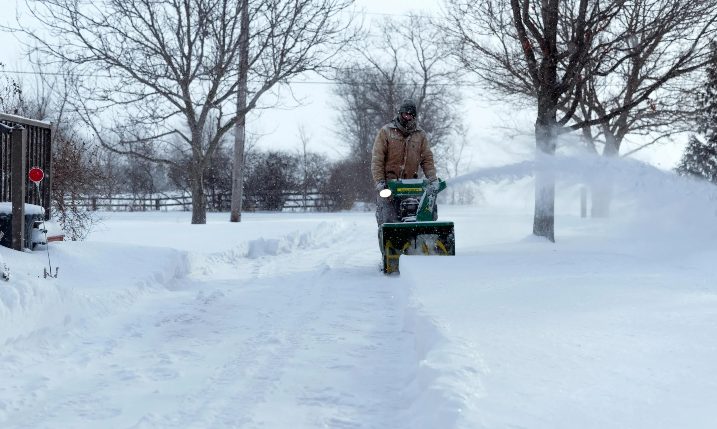
Use this winter freeze preparation checklist to protect your home and community from frozen pipes, water damage, and costly repairs. Essential steps for residents and property owners.
Freezing temperatures can cause serious damage to homes and community buildings. Frozen pipes, burst plumbing, and water leaks often lead to costly repairs and emergency disruptions.
Taking simple preventive steps before cold weather arrives can protect your property, reduce risks, and keep everyone safe. This freeze preparation checklist outlines exactly what residents, owners, and communities should do before temperatures drop.
Why Freeze Preparation Matters
When water freezes, it expands—putting pressure on pipes and plumbing systems. This can result in:
- Burst pipes
- Interior flooding
- Mold growth
- Expensive emergency repairs
Freeze Preparation Checklist
1. Before Temperatures Drop.
Prepare exterior and structural areas early.
- Insulate or wrap exposed pipes, hose bibs, and irrigation valves
- Disconnect garden hoses and drain outdoor spigots
- Shut off and winterize irrigation systems
- Seal attic access points to block cold air
- Ensure garage doors close and seal properly
- Close crawlspace vents where applicable
2. Inside Your Home
Keep indoor plumbing protected with proper heating.
- Set thermostats to a consistent, safe temperature
- Open cabinets under sinks to allow warm air circulation
- Let faucets drip slightly during extreme cold
- Locate your main water shut-off valve
- Use space heaters safely and never leave them unattended
3. If You Are Leaving Town
Vacant homes are at higher risk for freeze damage.
- Do not turn the heat off completely
- Ask a neighbor or manager to check your home periodically
- Confirm emergency contact information is up to date
4. For Community & Common Areas
Property managers and associations should protect shared infrastructure.
- Protect common plumbing and fire suppression systems
- Inspect mechanical rooms, risers, and utility closets
- Clear snow and ice from drains
- Ensure after-hours emergency vendor access
These steps reduce large-scale damage that could impact multiple residents.
Emergency Response Planning Matters
During severe freezes, mitigation contractors are often overwhelmed, causing delays.
Communities that coordinate with trusted vendors ahead of time benefit from:
- Faster emergency response
- Reduced secondary damage
- Organized documentation for insurance claims
Proactive planning makes a significant difference during extreme weather events.
What to Do If a Pipe Freezes or Bursts
Act quickly to minimize damage.
- Shut off the water immediately
- Contact management or emergency maintenance
- Avoid electrical hazards near water
Take photos to document damage (when safe)
Winter preparation is simple but essential. A few preventative steps today can protect your home, avoid costly repairs, and keep your community safe throughout the season.
Take time now to review this checklist and prepare before freezing weather arrives.